
Solar Power in Australia: Top Problems Slowing Down the Aussie Renewable Dream
- Adam Young
- Oct 3, 2025
- 4 min read
Australia’s sunny skies have made solar power one of the nation’s crown jewels on the renewable energy stage. Rooftop solar panels can be seen atop millions of Aussie homes, and large-scale solar farms are pushing the country steadily towards a cleaner, greener energy future. But despite the soaring uptake and national pride, the reality is that the Aussie solar dream is facing some real hurdles in 2025.
As Nexapower, we want to shed light on the key challenges holding back solar’s full potential and what this means for you, fellow Aussies who are eager for affordable, reliable, and sustainable energy. Let’s dive into what’s slowing down Australia’s renewable journey and how tackling these issues head-on is critical for our energy future.

1. Grid Bottlenecks and Slow Connections
One of the biggest headaches for solar growth is the grid itself. The electricity network in many parts of Australia is struggling to keep pace with the surge in rooftop solar installations and the addition of large solar farms. Congestion in power lines and substation limits mean that many new solar projects face long wait times for approval and connection.
This bottleneck delays solar feed-in and can sometimes result in curtailment—where solar output is reduced to avoid overloading the network. As a result, Aussies aren’t getting the full financial or environmental benefits they deserve from their solar systems. The bottleneck issue also hinders big solar projects crucial for hitting national renewable targets
2. Falling Investment and Economic Pressure
Investment in solar and renewable infrastructure has cooled off in the first half of 2025, with a notable 64% drop in new large-scale solar and wind investments compared to 2024. This slowdown stems from a cocktail of rising interest rates, inflationary pressures, and more cautious lender behaviour.
For householders and businesses, this means less incentive to install or upgrade solar due to reduced government rebates and softer feed-in tariffs. The upfront costs and long payback periods can feel daunting in tougher economic times, leading to a dip in residential solar uptake and slower growth in new projects
3. Technical Issues: Panel Failures and Battery Challenges
Solar technology has improved leaps and bounds, but it’s not without woes. Australians often encounter issues with faulty or degraded solar panels, inverter breakdowns, and battery storage challenges, especially with the rising popularity of home energy storage solutions.
Inverters, the system’s ‘brain,’ can malfunction or fail due to heat stress or electrical problems, leading to system shutdowns and costly repairs. Batteries, while offering energy independence, still face limitations in lifespan, efficiency drops, and high replacement costs. These technical setbacks slow the pathway to solar self-sufficiency, impacting household confidence
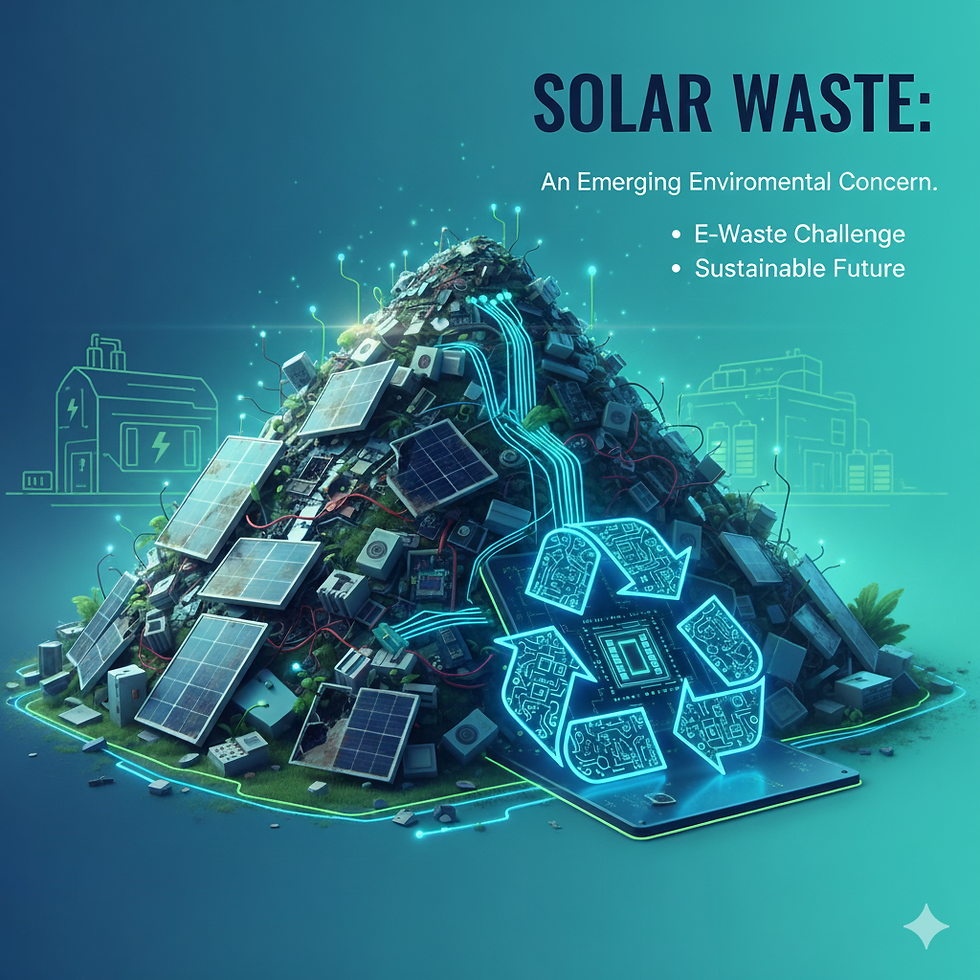
4. Solar Waste: An Emerging Environmental Concern
A less talked about but crucial challenge is solar panel waste. With thousands of solar systems installed in the past two decades, Australia is facing a growing problem of what to do when panels reach the end of their life
Current recycling infrastructure is limited and costly, and many old or damaged panels end up in landfill, posing environmental risks due to harmful materials inside the panels. Sustainable recycling initiatives and policies are sorely needed to close the loop in Australia’s solar lifecycle and avoid a waste crisis down the track
5. Inequality in Access
Despite Australia’s leading solar adoption, not everyone benefits equally. Renters, those in apartments, low-income households, and remote communities often lack access to solar solutions. This gap limits who can take advantage of energy savings and the broader climate benefits of renewables.
Innovative schemes like shared or community solar are emerging to close this divide, but progress is patchy and requires more support from government and industry to roll out fairly across the population
Charting a Clear Path Forward with SA Energy
Investment in smarter grid upgrades to reduce congestion, supportive policies that enhance incentives, and advances in recycling and battery tech will accelerate Australia’s solar rollout.
We are committed to helping Aussies navigate these issues—offering expert advice, quality solar solutions, and ongoing support—to ensure every Australian can benefit from the sunshine available to us all.
Solar power has the potential to reshape Australia’s energy landscape. The ‘Aussie renewable dream’ is alive and well—it just needs the right attention and action to break through these hurdles for a more sustainable tomorrow.
How to maximize savings with solar panels in Manningham?
Maximize your solar savings in Manningham by choosing a system tailored to your energy needs, using more power during the day, and adding battery storage to cut grid reliance. NexaPower provides expert design, installation, and support to ensure maximum returns. Learn more at www.nexapower.com.au
Where can I find solar panel maintenance services in Manningham?
NexaPower offers expert solar panel maintenance services in Manningham, ensuring your system operates at peak efficiency. Our certified technicians provide comprehensive inspections, cleaning, and repairs for both residential and commercial solar systems. To schedule a service or learn more, visit our website: https://www.nexapower.com.au.
If you want, Nexapower can assist with tailored solar solutions to make your solar investment easier and more reliable. Together, let’s power up a cleaner, brighter Australia!
You can also check out our other blogs for more tips, guides, and updates
You can also check out our other blogs for more tips, guides, and updates
Your mate in sunshine,
NexaPower Team
📞 Call Us: +61 1300 677 715
🌐 Visit: https://www.nexapower.com.au/
📩 Email: info@nexapower.com.au


Comments